Mental health plays a critical role in how we think, feel, and act. Anxiety and depression are two of the most common mental health conditions worldwide, yet their early signs are often overlooked or misinterpreted. People frequently dismiss these symptoms as just a phase or part of daily stress. Recognising the early signs can make a profound difference in receiving timely help, improving coping strategies, and leading to a quicker recovery.
In this comprehensive article, we’ll explore what anxiety and depression are, the signs to watch for, and what actions you can take if you or someone you know is experiencing symptoms.
What Are Anxiety and Depression?
Anxiety is a natural reaction to stress. It can be helpful in some situations, such as preparing for an exam or avoiding danger. However, when anxiety becomes overwhelming, persistent, or out of proportion to the situation, it may become a disorder. Depression, on the other hand, is more than feeling sad or having a bad day. It’s a persistent feeling of sadness, hopelessness, and a lack of interest or pleasure in most activities.
While anxiety and depression are different, they often occur together. Both conditions affect how a person feels, thinks, and handles daily activities such as sleeping, eating, or working.
Early Signs of Anxiety
Recognising anxiety early allows individuals to seek support before it becomes debilitating. Here are the most common early signs:
1. Constant Worry or Overthinking
People with anxiety often experience excessive worrying about everyday situations. This worry is difficult to control and may be disproportionate to the actual threat. For example, constantly fearing the worst in social situations or overthinking daily decisions.
2. Restlessness and Feeling On Edge
You may feel physically tense or unable to sit still. Restlessness is your body’s way of responding to the adrenaline and cortisol released during periods of stress or fear.
3. Trouble Sleeping
Insomnia or interrupted sleep is a frequent early sign. Many people with anxiety find it hard to fall asleep or wake up in the middle of the night with racing thoughts.
4. Fatigue and Lack of Energy
Although it may seem counterintuitive, anxiety can be exhausting. Constant worrying wears the body out, and poor sleep contributes to ongoing fatigue.
5. Physical Symptoms
Anxiety doesn’t just affect your mind. Physical symptoms such as a racing heart, sweating, dry mouth, dizziness, and gastrointestinal problems (like nausea or diarrhea) may also occur.
6. Irritability
People with anxiety may become easily annoyed or agitated, especially when overwhelmed or under pressure.
Early Signs of Depression
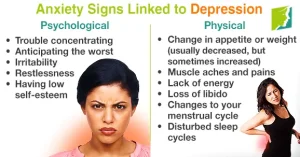
Depression can develop gradually, making it hard to notice at first. Many people try to push through it, assuming their feelings will pass. Here are signs that may suggest the early onset of depression:
1. Persistent Sadness or Low Mood
One of the most common early symptoms is a continuous feeling of sadness, emptiness, or hopelessness that lasts for weeks.
2. Loss of Interest in Activities
You may notice a decline in enthusiasm for hobbies, work, socialising, or other activities that were once enjoyable.
3. Changes in Appetite or Weight
This might include eating too much or too little. Sudden weight gain or loss can be a red flag.
4. Sleep Disturbances
Similar to anxiety, depression may cause insomnia or, in contrast, hypersomnia—sleeping too much.
5. Difficulty Concentrating
People with depression often report trouble focusing, remembering details, or making decisions.
6. Feelings of Worthlessness or Guilt
An ongoing sense of guilt over past actions, or the belief that you are a burden to others, is common.
7. Decreased Energy or Fatigue
Even small tasks may seem exhausting or take longer than usual to complete.
When Anxiety and Depression Overlap
Anxiety and depression often coexist. This is known as comorbid anxiety and depression. When someone experiences both simultaneously, symptoms can intensify and create a complex clinical picture. For instance, someone might feel hopeless (a sign of depression) while also constantly worrying about their future (a symptom of anxiety).
When left untreated, this combination can interfere with daily functioning and increase the risk of further complications, such as substance misuse, relationship difficulties, or self-harming behaviour.
Risk Factors and Triggers
Several factors can increase your risk of developing anxiety or depression:
- Genetics: Family history of mental illness
- Personality: Low self-esteem or pessimism
- Trauma or Stress: Childhood abuse, job loss, or chronic illness
- Substance Use: Alcohol or drug misuse
- Lack of Social Support: Isolation and loneliness
Understanding these risk factors can help you be more mindful of changes in your emotional wellbeing and encourage earlier intervention.
When to Seek Help
If you or someone you know has been experiencing any of these signs for more than two weeks and it interferes with daily life, it’s time to seek professional help. There’s no shame in admitting you’re struggling—mental health challenges are common and treatable.
Here are a few clear indicators that professional help may be needed:
- Symptoms persist or worsen over time
- Daily functioning is impaired
- Relationships are being negatively impacted
- You’re having thoughts of self-harm or suicide
How Diagnosis and Treatment Work
A mental health professional—such as a psychiatrist—can conduct a comprehensive assessment. This might include:
- Clinical interviews
- Questionnaires or screening tools
- Medical and psychological history
Treatment options vary depending on the diagnosis and may include:
- Psychotherapy (such as CBT or trauma-focused therapy)
- Medication (like antidepressants or anti-anxiety medications)
- Lifestyle Changes (including sleep, diet, and exercise habits)
- Support Groups or peer support
What We Offer at The London Psychiatrist
At The London Psychiatrist, Dr Mohammed Alsaidi provides expert assessment and care for individuals experiencing anxiety, depression, or both. With years of experience in the NHS and private practice, as well as fluency in Arabic and English, Dr Alsaidi offers culturally sensitive, evidence-based support tailored to your unique needs.
Services include:
- Full psychiatric assessments
- Personalised treatment plans
- Ongoing therapeutic support
- Medication management
We believe in early intervention and a compassionate, human-centred approach to mental health. You’re not alone, and it’s okay to ask for help.
Conclusion
Anxiety and depression are serious conditions that can deeply affect your quality of life. But recognising the signs early is the first step toward healing. Whether it’s a change in sleep, persistent sadness, or an overwhelming sense of worry, your feelings are valid and worthy of attention.
If you’re unsure whether what you’re feeling is “serious enough,” it’s always best to talk to someone who can help. At The London Psychiatrist, we’re here to guide you with care, confidentiality, and expertise—every step of the way.
Need Support? Book an appointment today and take your first step towards better mental health.